

Ultromics
Founded Year
2017Stage
Series C | AliveTotal Raised
$115.3MLast Raised
$55M | 3 mos agoRevenue
$0000Mosaic Score The Mosaic Score is an algorithm that measures the overall financial health and market potential of private companies.
+273 points in the past 30 days
About Ultromics
Ultromics operates within the medical technology industry and focuses on heart failure detection. The company offers diagnostic tools that analyze echocardiograms to identify conditions such as heart failure with preserved ejection fraction (HFpEF) and cardiac amyloidosis, providing clinicians with reports to assist in clinical decisions. Ultromics serves healthcare providers, including hospitals and clinics, by integrating its technology into existing medical imaging workflows. It was founded in 2017 and is based in Oxford, England.
Loading...
ESPs containing Ultromics
The ESP matrix leverages data and analyst insight to identify and rank leading companies in a given technology landscape.
The cardiac ultrasound analytics platforms market utilizes artificial intelligence to automate and improve the accuracy of cardiovascular disease diagnosis through ultrasound imaging. This technology eliminates the subjectivity and variability of manual analysis, allowing clinicians with all levels of experience to identify clinical abnormalities that are difficult to find visually. The algorithms…
Ultromics named as Leader among 15 other companies, including GE Healthcare, Siemens Healthineers, and Philips.
Ultromics's Products & Differentiators
EchoGo
Ultromics’ products operate through the cloud, as a Software-as-a-Service (SaaS) connected with Microsoft Azure cloud. Once connected, starting scanning, and let Ultromics take care of analysis. We’ll provides reports without the need to for any physical software or manual interaction, with results trusted globally by sites including Mayo Clinic, Cleveland Clinic, and the American Society of Echocardiography.
Loading...
Research containing Ultromics
Get data-driven expert analysis from the CB Insights Intelligence Unit.
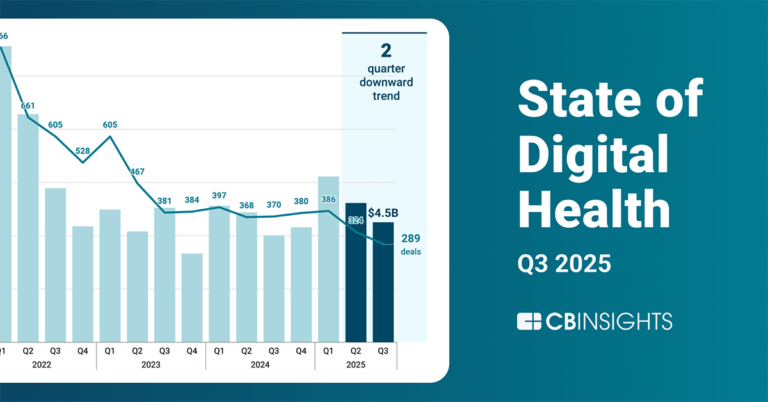
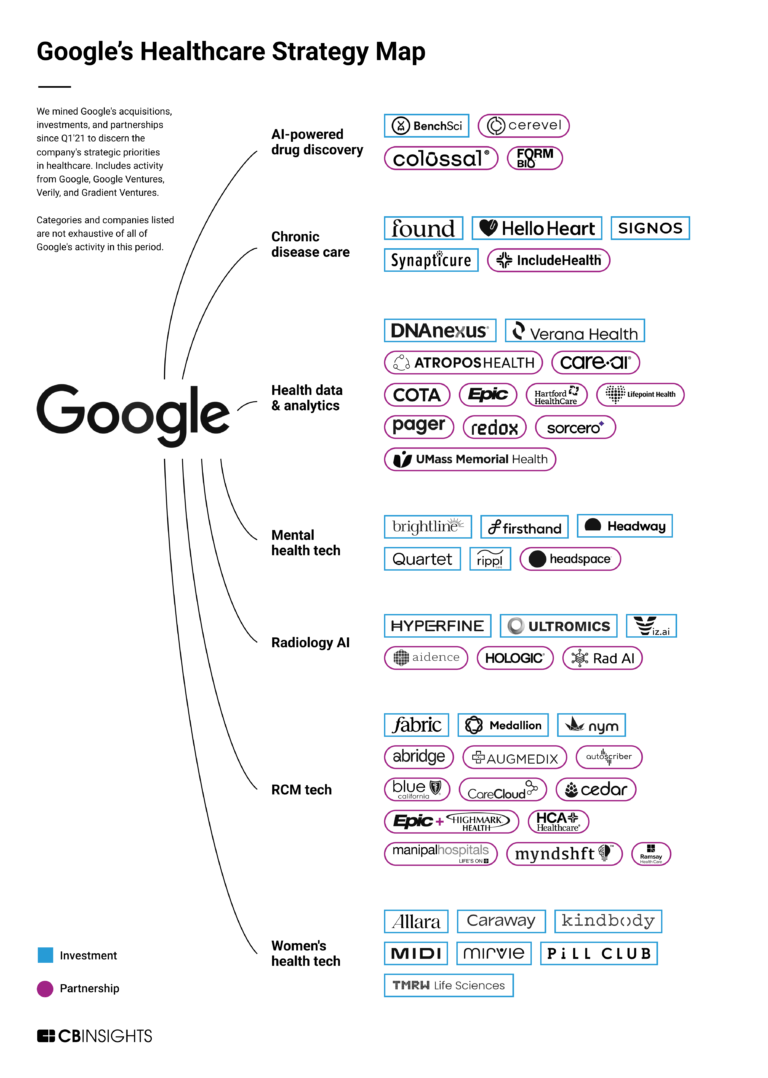
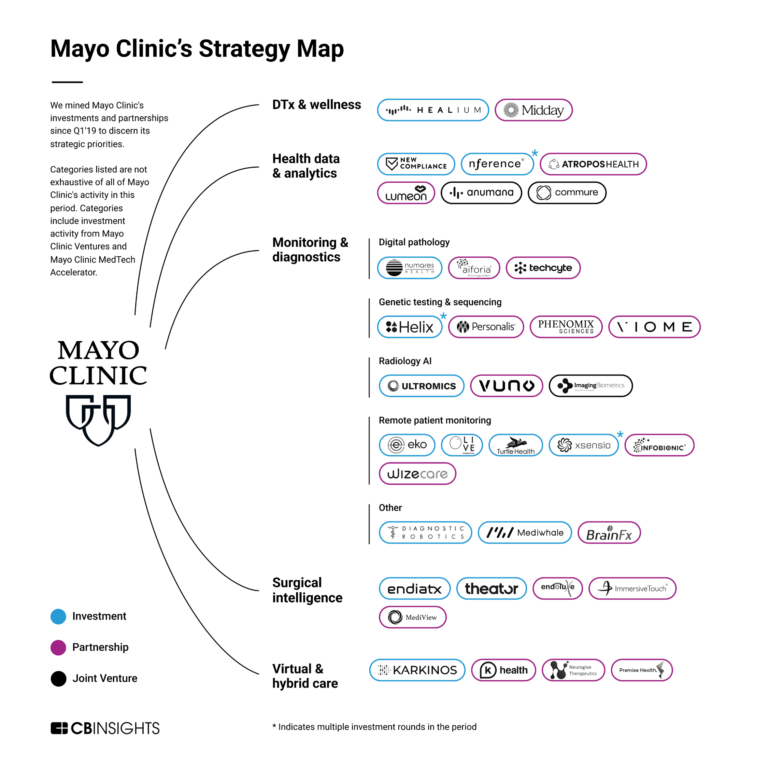
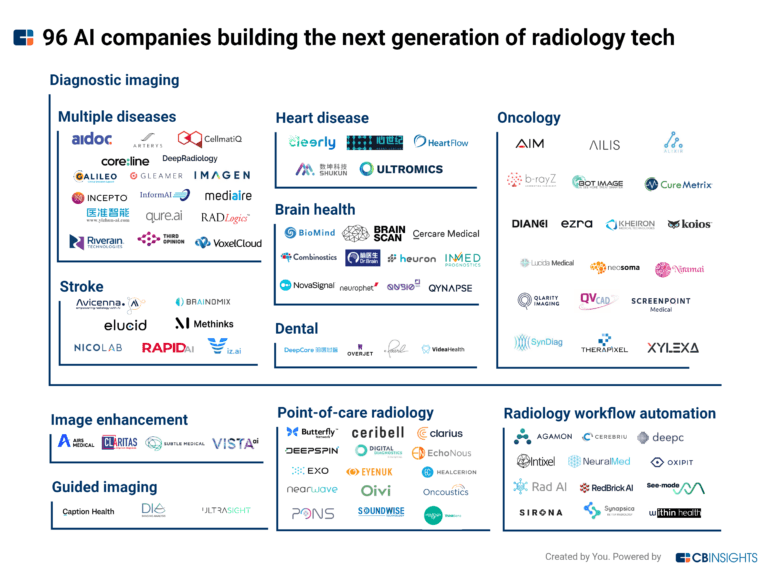
CB Insights Intelligence Analysts have mentioned Ultromics in 4 CB Insights research briefs, most recently on Oct 28, 2025.
Expert Collections containing Ultromics
Expert Collections are analyst-curated lists that highlight the companies you need to know in the most important technology spaces.
Ultromics is included in 3 Expert Collections, including Artificial Intelligence (AI).
Artificial Intelligence (AI)
16,614 items
Companies developing artificial intelligence solutions, including cross-industry applications, industry-specific products, and AI infrastructure solutions.
Digital Health
12,122 items
The digital health collection includes vendors developing software, platforms, sensor & robotic hardware, health data infrastructure, and tech-enabled services in healthcare. The list excludes pureplay pharma/biopharma, sequencing instruments, gene editing, and assistive tech.
Digital Health 50
150 items
The winners of the third annual CB Insights Digital Health 150.
Ultromics Patents
Ultromics has filed 1 patent.
The 3 most popular patent topics include:
- artificial neural networks
- cardiac anatomy
- cardiology
Application Date | Grant Date | Title | Related Topics | Status |
|---|---|---|---|---|
3/5/2021 | 1/28/2025 | Artificial neural networks, Cardiovascular physiology, Cardiology, Medical ultrasonography, Cardiac anatomy | Grant |
Application Date | 3/5/2021 |
|---|---|
Grant Date | 1/28/2025 |
Title | |
Related Topics | Artificial neural networks, Cardiovascular physiology, Cardiology, Medical ultrasonography, Cardiac anatomy |
Status | Grant |
Latest Ultromics News
Oct 14, 2025
BRENTFORD, ENGLAND, UNITED KINGDOM, October 13, 2025 / EINPresswire.com / -- The global amyloidosis therapeutics market is projected to reach a valuation of US$ 5.17 Bn in 2025, with strong momentum expected to drive it to US$ 8.20 Bn by 2032, reflecting a compound annual growth rate (CAGR) of 6.8% during the forecast period. This growth trajectory is supported by a rising global awareness of amyloidosis, significant advances in early detection technologies, and a robust pipeline of innovative therapeutics. Historically, from 2019 to 2024, the market grew at a CAGR of 5.8%, largely driven by the integration of disease-modifying therapies and growing prevalence of AL (primary) and ATTR (transthyretin) amyloidosis. The emergence of RNA-based therapeutics and AI-driven diagnostic platforms is expected to further reshape the market landscape in the coming decade. Key Industry Highlights Chemotherapy remains the dominant treatment segment, holding ~33% of the market share in 2025. Hospitals & clinics are projected to account for 51% of the market share in 2025, due to advanced diagnostic and treatment capabilities. AI-integrated diagnostic tools are redefining early detection, particularly for cardiac amyloidosis (CA). The market is increasingly driven by targeted and personalized therapeutics, such as tafamidis, patisiran, and inotersen. North America will dominate regional revenue, capturing 47% of the global market in 2025. Home care and remote treatment models are rapidly expanding in developed regions, particularly in North America and Europe. Market Dynamics Driver – Early Detection Powered by Advanced Diagnostic Technologies Early and accurate diagnosis of amyloidosis is vital, especially for CA, where prognosis deteriorates rapidly without timely intervention. Technological advancements in echocardiography, cardiac MRI, and nuclear imaging have significantly enhanced diagnostic precision. Imaging tools combined with radiotracers can differentiate amyloid types and guide therapeutic decisions. Emerging AI-powered solutions, including deep learning via CNNs, now detect cardiac amyloidosis at preclinical stages. Biomarkers, genomic analysis, and biopsy-confirmed diagnostics further support the stratification of amyloidosis subtypes, laying the foundation for personalized care pathways. Restraint – High Therapeutic Costs and Accessibility Issues The high cost of disease-modifying drugs, including tafamidis and RNA interference therapies like patisiran and inotersen, presents a significant barrier to widespread access. With annual treatment costs ranging from US$ 200,000 to over US$ 500,000, many healthcare systems, especially in low- and middle-income countries, struggle to absorb these expenses. In the U.S., tafamidis (Vyndaqel) is priced at approximately US$ 225,000 per patient per year, far exceeding the standard cost-effectiveness thresholds. Even with insurance and reimbursement policies in place, affordability remains a challenge, deterring timely and equitable treatment. Opportunity – Integration of Artificial Intelligence in Diagnosis Artificial Intelligence is rapidly becoming integral to amyloidosis care. An international team led by MedUni Vienna developed a CNN-based model that demonstrated expert-level accuracy in identifying cardiac amyloidosis using scintigraphy imaging. AI models now offer the ability to screen large populations, assess risk factors, and predict disease progression with high accuracy. This data-driven approach reduces diagnostic delays and supports physicians in choosing the most effective treatment early in the disease cycle. AI-enabled diagnostics are being rolled out in North America, Europe, and Asia, enhancing global standards of care. Category-wise Analysis Treatment Insights Chemotherapy remains the leading treatment segment, largely driven by its efficacy in AL amyloidosis. High-dose melphalan combined with autologous stem cell transplant (ASCT) has been a cornerstone therapy. The approval of monoclonal antibodies like daratumumab has expanded therapeutic choices, particularly in refractory cases. The immunosuppressive drugs segment is gaining momentum as a key component of combination regimens. Dexamethasone, lenalidomide, and pomalidomide are increasingly used to manage light-chain production and systemic inflammation, especially in relapsed/refractory patients. End-user Insights Hospitals and clinics are projected to maintain dominance, driven by the concentration of diagnostic and therapeutic infrastructure. These facilities offer advanced imaging, biopsy capabilities, and specialized care, including hematology, nephrology, and cardiology services. The home care segment, though smaller, is expanding due to increasing acceptance of remote patient monitoring and telehealth services. This model is particularly relevant for chronic management in elderly populations across Europe and North America, where telemedicine programs support continuous care for amyloidosis patients. Regional Insights North America North America is forecast to lead the global amyloidosis therapeutics market with a 47% share in 2025. The region benefits from high disease awareness, widespread access to diagnostics, and early adoption of novel therapeutics. Key drivers include the FDA approval of innovative treatments such as Amvuttra (vutrisiran) and Acoramidis (Attruby). The integration of AI into diagnostics, notably Ultromics' EchoGo Amyloidosis, is enhancing precision medicine. The U.S. healthcare ecosystem supports ongoing clinical trials, with strong insurance coverage mechanisms and advanced home healthcare services. BridgeBio's Acoramidis, launched at a price point below tafamidis, is expected to improve treatment accessibility and competitiveness. Europe Europe's amyloidosis therapeutics market is also growing rapidly, supported by robust regulatory systems and early adoption of innovative drugs. The EU4 countries (Germany, France, Italy, UK) are major contributors, with strong hospital networks and national rare disease strategies. Germany, in particular, is expected to register the highest CAGR within the region, due to its network of 12 university hospitals and over 10,500 monitored amyloidosis patients in 2023. The UK's National Amyloidosis Centre remains a key node for patient care, tracking over 6,400 patients and coordinating with community healthcare services. Asia Pacific The Asia Pacific market is on an accelerated growth path, driven by expanding healthcare access, government-supported rare disease initiatives, and faster regulatory approvals. China and Japan are leading regional growth. China's amyloidosis landscape has been reshaped by NMPA's fast-track approval of Darzalex Faspro and the inclusion of amyloidosis in its National Rare Disease List. Japan, with its advanced use of cardiac PYP scans and early diagnostics, has streamlined patient management. Regional investment in RNA-based therapies and a rise in clinical trial activity are setting the stage for Asia Pacific to emerge as a key innovation hub in the global landscape. Competitive Landscape The global amyloidosis therapeutics market is highly competitive and innovation-driven. Leading players include Pfizer Inc., Johnson & Johnson (Janssen), GSK plc, Takeda Pharmaceutical Company, Amgen Inc., Bristol-Myers Squibb, Novartis AG, Sanofi, and F. Hoffmann-La Roche Ltd. Specialized biotech firms such as Alnylam Pharmaceuticals, Prothena Corporation, and Ionis Pharmaceuticals are at the forefront of RNA-based and monoclonal antibody therapies. These companies are driving research in ATTR and AL amyloidosis, leveraging genomics, AI, and biologics for targeted drug development. Key Recent Developments In March 2025, Alnylam Pharmaceuticals received FDA approval for AMVUTTRA (vutrisiran) to treat ATTR-CM, expanding treatment options for cardiomyopathy patients. In February 2025, the European Commission approved acoramidis (Beyonttra™) for wild-type and variant ATTR-CM, solidifying its role as an alternative to tafamidis. BridgeBio Pharma launched Acoramidis (Attruby) in the U.S. as a cost-effective TTR stabilizer, aiming to increase market penetration and alleviate payer burden. Key Players Pfizer Inc. Johnson & Johnson Services, Inc. GSK plc Takeda Pharmaceutical Company Limited Amgen Inc. Bristol-Myers Squibb Company Novartis AG F. Hoffmann-La Roche Ltd Merck KGaA Sanofi Alnylam Pharmaceuticals, Inc. These companies are investing in mergers, acquisitions, and strategic alliances to expand their portfolios and regional presence. Market Segmentation By Treatment Type: Chemotherapy Immunosuppressive Drugs Monoclonal Antibodies RNAi Therapies Small Molecule Stabilizers By Amyloidosis Type: AL (Primary) ATTR (Hereditary and Wild-type) AA (Secondary) Localized By End User: Hospitals & Clinics Homecare Settings Specialty Clinic Recent Developments Launch of EchoGo Amyloidosis AI tool by Ultromics enhances precision diagnostics in North America. FDA approvals for novel therapies including Vutrisiran and Acoramidis. European Medicines Agency approval for vutrisiran and eplontersen expands patient access in the EU. China's NMPA approval for Darzalex Faspro and fast-track designations reflect proactive regulatory shifts. Future Outlook The amyloidosis therapeutics market is poised for sustained growth, fueled by technological innovation, regulatory support, and expanding global access. As AI-driven diagnostics mature and more cost-effective alternatives to existing high-cost therapies are launched, market accessibility is expected to improve. By 2032, the global market will likely exceed US$ 8.20 Bn, shaped by an increasing demand for personalized medicine, strategic collaborations among pharmaceutical leaders, and government-backed rare disease initiatives. Asia Pacific and emerging markets will play a critical role in market expansion, while North America and Europe continue to lead innovation and early adoption. Read Related Reports: U.S. Retail Pharmacy Market : The U.S. retail pharmacy market is set to grow from US$609.2 Bn in 2025 to US$818.0 Bn by 2032, expanding at a steady CAGR of 4.3% during the forecast period. Surface Disinfectant Market The surface disinfectant market is projected to grow from US$ 4.3 Bn in 2025 to US$ 8.2 Bn by 2032, registering a CAGR of 9.5% during the forecast period. Persistence Market Research Persistence Market Research Pvt Ltd email us here Visit us on social media: LinkedIn Instagram Facebook YouTube X Legal Disclaimer: EIN Presswire provides this news content "as is" without warranty of any kind. We do not accept any responsibility or liability for the accuracy, content, images, videos, licenses, completeness, legality, or reliability of the information contained in this article. If you have any complaints or copyright issues related to this article, kindly contact the author above.
Ultromics Frequently Asked Questions (FAQ)
When was Ultromics founded?
Ultromics was founded in 2017.
Where is Ultromics's headquarters?
Ultromics's headquarters is located at 4630 Kingsgate, Oxford.
What is Ultromics's latest funding round?
Ultromics's latest funding round is Series C.
How much did Ultromics raise?
Ultromics raised a total of $115.3M.
Who are the investors of Ultromics?
Investors of Ultromics include Oxford Science Enterprises, University of Oxford, The Blue Venture Fund, Google Ventures, Allegis Capital and 22 more.
Who are Ultromics's competitors?
Competitors of Ultromics include SIMPLEX QUANTUM, Deepwise, mediaire, Ligence, Kheiron Medical Technologies and 7 more.
What products does Ultromics offer?
Ultromics's products include EchoGo.
Loading...
Compare Ultromics to Competitors

VoxelCloud is a developer of AI-based medical image analysis and diagnosis assistance systems designed for the healthcare industry. The company provides medical image analytics and diagnostics services using AI and cloud computing technologies. VoxelCloud's products are intended to help healthcare providers in the diagnosis and management of conditions such as lung cancer, retinal diseases, and coronary heart disease. It was founded in 2015 and is based in Los Angeles, California.

iHridAI focuses on analyzing cardiac medical imaging in the healthcare technology sector. The company uses artificial intelligence and deep learning for vision analytics to support medical diagnoses and care delivery. Its product, HarmonyCVI, is a software system that offers analysis, visualization, and quantification of cardiovascular MRI scans. It was founded in 2021 and is based in Hyderabad, India.
QED Technique is a CAD-based health platform that focuses on intelligent medical image analysis of the brain, heart, lung, kidney, and thyroid, using 3D reconstruction, proprietary mathematical models, big data, and artificial intelligence to constantly improve diagnostic accuracy. It was founded in 2006 and is based in Beijing, China.

Us2.ai specializes in the application of artificial intelligence to echocardiography within the healthcare technology domain. The company offers a software solution that provides fully automated, real-time echocardiogram reports and disease detection, designed to be compatible with any ultrasound device. Its products are primarily utilized in the healthcare industry, enhancing heart disease diagnosis and treatment. Us2.ai was formerly known as eko.ai. It was founded in 2017 and is based in Singapore.
RADLogics is a healthcare software company that provides AI solutions for the medical imaging sector. The company offers machine-learning image analysis tools for the detection and report generation processes for imaging data such as CT and X-ray scans. RADLogics serves the healthcare industry, focusing on radiology departments that use AI technologies in their diagnostic workflows. It was founded in 2010 and is based in New York, New York.
12 SIGMA is a biotechnology company that integrates artificial intelligence and deep learning into modern medical image diagnosis and medical data analysis. 12SIGMA is based in Beijing and San Diego.
Loading...