

Nuvo Group
Founded Year
2014Stage
PIPE | IPOTotal Raised
$68MMarket Cap
0.10BRevenue
$0000About Nuvo Group
Nuvo Group develops a remote monitoring platform, INVU by Nuvo, for prenatal care. The platform is used for remote fetal monitoring, allowing nonstress tests (NSTs) to be conducted at home while collecting and analyzing maternal and fetal biometric data. INVU by Nuvo serves the healthcare industry, providing solutions for clinicians and expecting mothers for prenatal monitoring. It was founded in 2014 and is based in Tel Aviv, Israel.
Loading...
Nuvo Group's Product Videos
ESPs containing Nuvo Group
The ESP matrix leverages data and analyst insight to identify and rank leading companies in a given technology landscape.
The maternal & fetal health screening market helps to improve patient outcomes by offering remote patient monitoring services & medical devices to diagnose and monitor maternal and fetal health conditions, including maternal preeclampsia, premature birth risk, and fetal oxygenation levels during labor. Some companies supplement their screening products with support services for comprehensive care.…
Nuvo Group named as Leader among 15 other companies, including Babyscripts, Delfina, and Bloomlife.
Nuvo Group's Products & Differentiators
Remote non-stress tests
Under provider prescription, remote NSTs with INVU allow for the completion of non-stress-tests, a common and frequent test administered in the last trimester of high risk pregnancies to monitor fetal heart rate and uterine activity, ensuring that a pregnancy is progressing healthily or to quickly identify when intervention is needed. INVU can be used to monitor NSTs wherever mom is scheduled for an assessment under the supervision of her provider. Mom can sit for the NST from the comfort of her own home and see a high-level view of the data while her provider gets an immediate reading of the detailed data from a session, identical to the strip of data they are used to seeing from in-clinic NSTs.
Loading...
Research containing Nuvo Group
Get data-driven expert analysis from the CB Insights Intelligence Unit.
CB Insights Intelligence Analysts have mentioned Nuvo Group in 3 CB Insights research briefs, most recently on Jul 18, 2024.
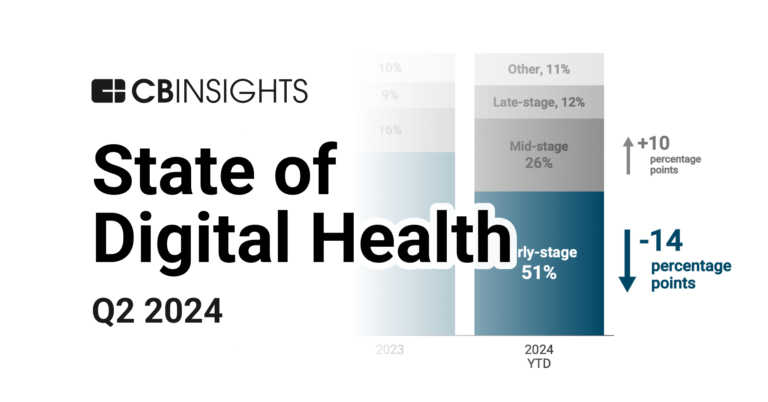
Jul 18, 2024 report
State of Digital Health Q2’24 Report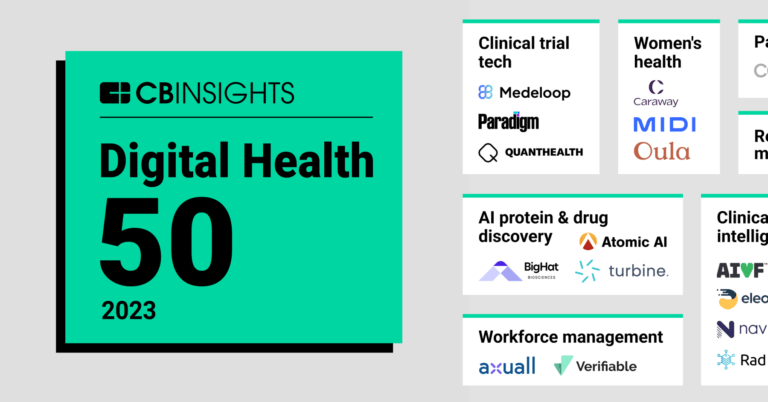
Nov 11, 2022 report
How tech is making women’s healthcare more equitable and accessibleExpert Collections containing Nuvo Group
Expert Collections are analyst-curated lists that highlight the companies you need to know in the most important technology spaces.
Nuvo Group is included in 7 Expert Collections, including Baby and Kids Tech.
Baby and Kids Tech
1,281 items
Companies developing tech-enabled products and services that primarily serve babies, children up to approximately 12 years old, and their parents.
Beauty & Personal Care
858 items
These startups aim to provide health treatments, diagnosis tools, and products that do not require a prescription or connection with a health professional to enhance personal wellbeing. This includes supplements, women's health maintenance, OTC medicines, and more.
Conference Exhibitors
5,302 items
Digital Health 50
300 items
The winners of the second annual CB Insights Digital Health 150.
Digital Health
12,122 items
The digital health collection includes vendors developing software, platforms, sensor & robotic hardware, health data infrastructure, and tech-enabled services in healthcare. The list excludes pureplay pharma/biopharma, sequencing instruments, gene editing, and assistive tech.
Telehealth
3,123 items
Companies developing, offering, or using electronic and telecommunication technologies to facilitate the delivery of health & wellness services from a distance. *Columns updated as regularly as possible; priority given to companies with the most and/or most recent funding.
Nuvo Group Patents
Nuvo Group has filed 44 patents.
The 3 most popular patent topics include:
- midwifery
- obstetrics
- childbirth
Application Date | Grant Date | Title | Related Topics | Status |
|---|---|---|---|---|
1/30/2023 | 4/30/2024 | Midwifery, Obstetrics, Tests during pregnancy, Childbirth, Health informatics | Grant |
Application Date | 1/30/2023 |
|---|---|
Grant Date | 4/30/2024 |
Title | |
Related Topics | Midwifery, Obstetrics, Tests during pregnancy, Childbirth, Health informatics |
Status | Grant |
Latest Nuvo Group News
Oct 10, 2025
Share: Pregnancy is a time of excitement, anticipation, and profound change — but it also comes with unique challenges for expectant mothers and healthcare providers. How can technology help ensure safer pregnancies, personalized guidance, and proactive care? The answer lies in AI-powered digital pregnancy support solutions developed through expert healthcare software development services. By integrating artificial intelligence with telehealth, mobile apps, wearable devices, and predictive analytics, maternal health technology is reshaping prenatal care. With the support of healthcare software development services , these solutions can monitor vital signs, deliver real-time guidance, and make pregnancy care more personalized, proactive, and accessible. The Current Landscape of Maternal Healthcare Despite advances in medical care, maternal health still faces challenges: Limited access to specialists and prenatal monitoring: In many regions, especially rural areas, access to specialized maternal care is limited. Fragmented health data across providers and devices: Disparate systems hinder the seamless sharing of patient information. Rising rates of maternal anxiety and stress: Mental health concerns are increasingly recognized as critical components of maternal well-being. Difficulty personalizing care plans for each patient: Standardized care may not address the unique needs of every expectant mother. Research shows that AI can predict risk factors for complications, monitor patient health remotely, and deliver tailored guidance throughout pregnancy. By leveraging digital pregnancy support tools, healthcare organizations can improve outcomes while empowering expectant mothers with actionable insights. Key AI Trends in Digital Pregnancy Support 1. AI-Powered Mobile Apps for Personalized Guidance Modern pregnancy apps use AI algorithms to track gestational age, nutrition, activity, and symptoms, offering personalized tips and reminders. By integrating AI, these apps can alert expectant mothers to potential issues such as gestational diabetes risk or elevated blood pressure, while providing educational content tailored to their stage of pregnancy. Benefits include: Early detection of risk factors Enhanced engagement and patient confidence Real-World Example: The AMMA Pregnancy Tracker is a femtech application that provides personalized medical recommendations and information for pregnant women and their families. With over 10 million annual downloads, primarily from Central Asia, Eastern Europe, and Latin America, it offers weekly updates and expert advice in 13 languages. 2. Predictive Analytics for Risk Assessment Predictive AI models analyze medical history, genetic information, lifestyle, and previous pregnancies to assess the risk of complications. Healthcare providers can use these insights to identify high-risk pregnancies and create preventive care plans. With integration into digital pregnancy platforms, predictive analytics helps clinicians: Anticipate preterm labor or gestational hypertension Optimize prenatal testing schedules Real-World Example: In India, gynecologists are adopting AI to enhance women’s health and reduce maternal mortality. The Federation of Obstetric & Gynaecological Societies of India (FOGSI), comprising over 45,000 members, signed a memorandum of understanding with the Koita Foundation to establish a digital maternal care center. This initiative aims to train clinicians in using digital tools and collect health data to identify trends and risk factors in pregnancy, enabling early interventions. 3. Telehealth & Virtual Care Telehealth has become a cornerstone of modern maternal care. When combined with AI-driven triage systems and real-time monitoring, telehealth platforms allow clinicians to: Monitor maternal vitals remotely Offer guidance between in-person visits AI enhances these platforms by identifying trends in symptoms, suggesting interventions, and prioritizing patients who need urgent care. Real-World Example: The SUMAN SAKHI chatbot, developed under India’s National Health Mission, offers 24/7 assistance to women, primarily in Hindi, ensuring wide usability among both rural and urban populations. Initially focusing on frequently asked questions related to pregnancy and government health schemes, the chatbot’s scope will later expand to cover broader social welfare initiatives. 4. Wearable Devices & IoT Integration Wearable devices are increasingly used to track heart rate, blood pressure, sleep quality, and fetal movement. Connected via IoT ecosystems, these devices feed continuous data into AI-powered platforms, enabling: Real-time health monitoring Personalized recommendations for activity and rest Healthcare providers can integrate this data into EHR systems, ensuring seamless monitoring and evidence-based decision-making. Real-World Example: Nuvo’s Invu wearable device offers a solution for remote pregnancy monitoring. The device, featuring 12 sensors that fit around the abdomen, employs ECG and acoustic sensors to track fetal and maternal heart rates and monitor contraction activity. This data can be transmitted in real-time to healthcare providers, offering the same insights as in-person visits, enhancing safety and convenience during high-risk pregnancies. 5. AI for Mental Health and Emotional Support Pregnancy can be emotionally challenging. AI-driven mental health tools analyze mood patterns, stress levels, and behavioral cues to provide timely interventions. Features such as virtual counseling, mindfulness guidance, and chatbots offer support between appointments, helping mothers maintain emotional well-being. Real-World Example: The Gates Foundation’s initiative in Kenya utilizes portable and AI-enabled ultrasounds, empowering nurses and midwives to provide more effective maternal care. This approach enhances the ability to detect complications early, ensuring timely interventions and improving maternal health outcomes. 6. Natural Language Processing (NLP) for Maternal Education AI-powered NLP systems analyze patient queries, messages, and clinical notes to provide personalized responses and educational content. This allows digital pregnancy support platforms to: Answer frequently asked questions accurately Provide clear explanations for test results Guide expectant mothers through complex procedures Real-World Example: mDoc has integrated generative AI into its platform, Kem, to address women’s questions on maternal health, neonatal health, and family planning. This AI-enabled “help desk” triages questions based on risk levels, ensuring timely and appropriate responses to users’ concerns. Challenges in Implementing AI for Pregnancy Care While the potential is immense, healthcare organizations face hurdles: Data privacy & security: Pregnancy data is highly sensitive; HIPAA compliance is critical Integration with existing systems: AI tools must work seamlessly with hospital EHRs and telehealth platforms User adoption: Mothers and clinicians must be comfortable with new technologies Bias and accuracy: AI models must be validated to avoid misdiagnoses or incorrect guidance Best Practices for AI in Digital Pregnancy Support Start with pilot programs in prenatal care clinics Prioritize data security and privacy from day one Engage clinicians and patients to optimize adoption and usability Ensure interoperability between apps, wearables, and EHR systems Continuously monitor outcomes and refine AI models Case Study: AI-Driven Prenatal Care App A leading maternal health platform integrated AI to monitor gestational diabetes and high-risk pregnancies. By combining wearable data, predictive analytics, and telehealth consultations, the app achieved: Early identification of high-risk patients Reduced hospital visits through remote monitoring Increased patient engagement and satisfaction This example demonstrates how AI-powered digital pregnancy support can improve both maternal outcomes and healthcare efficiency. The Future of AI in Pregnancy Care The future promises even more innovation: Virtual reality for prenatal education and labor preparation Blockchain for secure, tamper-proof maternal health records Enhanced predictive models combining genetics, lifestyle, and environmental data AI is transforming pregnancy care into a personalized, data-driven, and accessible experience — benefiting both mothers and healthcare providers. Conclusion Digital pregnancy support powered by AI is no longer a vision — it’s becoming a standard of care. From predictive analytics and wearable monitoring to telehealth, NLP, and emotional support, AI is enabling personalized, proactive, and safe prenatal care. Healthcare providers and technology partners can leverage these tools to improve outcomes, reduce complications, and empower expectant mothers. By strategically integrating AI into maternal care platforms, the healthcare industry can deliver smarter, safer, and more connected pregnancy support. Related Stories
Nuvo Group Frequently Asked Questions (FAQ)
When was Nuvo Group founded?
Nuvo Group was founded in 2014.
Where is Nuvo Group's headquarters?
Nuvo Group's headquarters is located at Yigal Alon 94. Street, Tel Aviv.
What is Nuvo Group's latest funding round?
Nuvo Group's latest funding round is PIPE.
How much did Nuvo Group raise?
Nuvo Group raised a total of $68M.
Who are the investors of Nuvo Group?
Investors of Nuvo Group include VentureIsrael, LAMF Global Ventures Corp. I, MedTech Innovator, Shareholder Value Management, Gal Ventures and 3 more.
Who are Nuvo Group's competitors?
Competitors of Nuvo Group include Baymatob and 8 more.
What products does Nuvo Group offer?
Nuvo Group's products include Remote non-stress tests and 1 more.
Who are Nuvo Group's customers?
Customers of Nuvo Group include Axia, CANLab, UAMS and UHP.
Loading...
Compare Nuvo Group to Competitors

Bloomlife focuses on improving maternal health through technology in the healthcare sector. The company offers remote patient monitoring and connected devices that provide data analytics for maternal and fetal health, as well as digital health assessments to manage pregnancies. Bloomlife primarily serves healthcare providers and pregnant women. Bloomlife was formerly known as Bloom Technologies. It was founded in 2014 and is based in San Francisco, California.

Marani Health operates as an artificial intelligence (AI)-powered maternal healthcare technology company focused on improving patient outcomes and enhancing clinical workflows in the healthcare sector. The company offers a platform that delivers individual insights through connected devices, enabling personalized and proactive care for pregnant individuals. Marani Health primarily serves maternity providers, health plans, employers, and patients with its solutions for prenatal and postpartum care. Marani Health was formerly known as Odonata Health. It was founded in 2018 and is based in Oakdale, Minnesota.

Nanit focuses on smart baby monitoring technology within the parenting products industry. The company offers a baby monitor that tracks sleep patterns and breathing motion, along with products to assist with sleep routines for infants and toddlers. Nanit's products include features such as temperature and humidity tracking, two-way audio, and integration with a night light and sound machine. It was founded in 2014 and is based in New York, New York.

Wildflower Health provides digital health solutions. Its offering includes mobile health applications, virtual care, and health advocate support, to improve maternity care outcomes. The company serves the healthcare sector, including providers, payers, and health systems. It was founded in 2012 and is based in Cotati, California.

Baymatob develops artificial intelligence-guided solutions aimed at enhancing maternal and neonatal health outcomes. The company offers a wearable sensor named Oli, which monitors complex physiological information to provide early warnings for complications like postpartum hemorrhage. It primarily serves the healthcare sector. The company was founded in 2017 and is based in Leichhardt, Australia.

Raydiant Oximetry focuses on improving maternal-fetal medicine by developing noninvasive sensor technology for childbirth. Its main product, Lumerah™, is a fetal pulse oximeter designed to measure fetal oxygen levels accurately and reduce unnecessary cesarean deliveries. The company primarily serves the healthcare sector, offering tools for obstetric providers to evaluate fetal well-being during labor. It was founded in 2016 and is based in San Ramon, California.
Loading...