

Motorola Mobility
Founded Year
2011Stage
Acquired | AcquiredValuation
$0000About Motorola Mobility
Motorola Mobility manufactures and develops mobile devices and digital set-top boxes. The company's mobile devices include cell phones, smartphones, tablets, and other wireless accessories. It also provides end-to-end video and data delivery and management technology, including set-tops and data-access devices. The company was founded in 2011 and is based in Libertyville, Illinois. In October 2014, Motorola Mobility was acquired by Lenovo Group at a valuation in the range of $2B to $2.91B.
Loading...
Loading...
Research containing Motorola Mobility
Get data-driven expert analysis from the CB Insights Intelligence Unit.
CB Insights Intelligence Analysts have mentioned Motorola Mobility in 2 CB Insights research briefs, most recently on Apr 3, 2025.
Apr 3, 2025 report
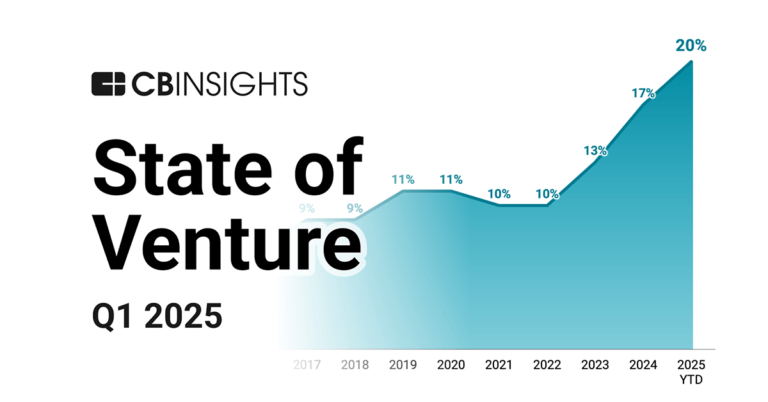
State of Venture Q1’25 Report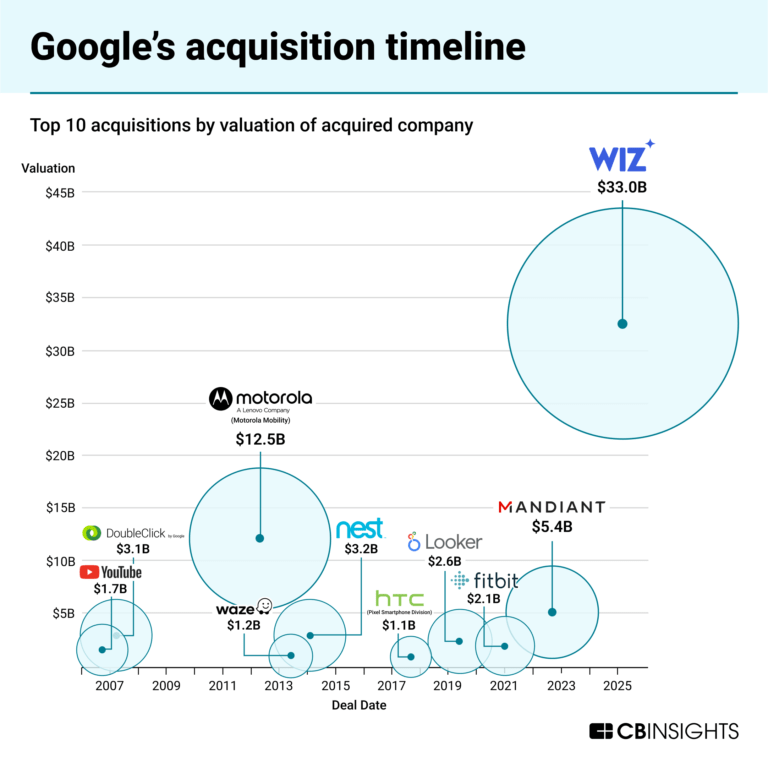
Mar 20, 2025
Google’s biggest acquisitionsMotorola Mobility Patents
Motorola Mobility has filed 4611 patents.
The 3 most popular patent topics include:
- wireless networking
- videotelephony
- radio resource management
Application Date | Grant Date | Title | Related Topics | Status |
|---|---|---|---|---|
3/30/2022 | 4/8/2025 | Fisheries science, Facial expressions, Feature detection (computer vision), Computing input devices, Attachment theory | Grant |
Application Date | 3/30/2022 |
|---|---|
Grant Date | 4/8/2025 |
Title | |
Related Topics | Fisheries science, Facial expressions, Feature detection (computer vision), Computing input devices, Attachment theory |
Status | Grant |
Latest Motorola Mobility News
Oct 23, 2025
The Saudi Arabia Smart Home Appliances Market was valued at USD 2.03 Billion in 2024, and is expected to reach USD 8.56 Billion by 2030, rising at a CAGR of 27.10%. The Saudi Arabia Smart Home Appliances market is experiencing significant growth, primarily driven by rapid urbanization and increasing disposable incomes among consumers. As more people migrate to urban areas, the demand for modern, efficient, and connected home solutions rises. Also, the growing penetration of smartphones and improved internet infrastructure has boosted consumer awareness and adoption of smart appliances. Government initiatives, such as the Saudi Vision 2030 and smart city projects like NEOM, actively promote digital transformation and the integration of IoT technologies, further accelerating market expansion. Consumers are increasingly seeking convenience, energy efficiency, and enhanced security, which smart home appliances provide through automation and remote-control features. Also, rising environmental concerns are encouraging the adoption of energy-efficient smart devices, fueling market growth even further. Key Market Drivers Growing Penetration of Smartphones The growing penetration of smartphones in Saudi Arabia is a pivotal driver of the smart home appliances market. As a part of this, according to a recent study, as of 2024, there were 33.55 million smartphone users in Saudi Arabia, up from 14.31 million in 2013. This widespread smartphone adoption facilitates seamless integration with smart home ecosystems, enhancing user convenience and operational efficiency. The average Saudi adult spends about 4 hours and 25 minutes daily on mobile internet, indicating a strong engagement with digital platforms that support smart home functionalities. Also, the expansion of 5G networks and improved internet infrastructure bolster the performance and responsiveness of connected devices, making smart appliances more appealing to tech-savvy consumers. This digital readiness, combined with a young, affluent population eager for technological advancements, positions smartphones as a central hub for managing smart home environments, thereby accelerating market growth in the Kingdom. Key Market Challenges High Initial Cost The high initial cost of smart home appliances remains a significant barrier to their widespread adoption in Saudi Arabia. While these appliances offer long-term benefits such as energy efficiency, convenience, and automation, their upfront prices are considerably higher than those of conventional alternatives. This cost disparity makes smart appliances less accessible to middle- and lower-income households, especially in non-metropolitan areas. Consumers often hesitate to invest in products like smart refrigerators, washers, or HVAC systems due to budget constraints, particularly when the return on investment is not immediately tangible. Also, the cost of setting up a complete smart home ecosystem - including hubs, sensors, and compatible devices - further elevates the financial burden. Although the Saudi government is promoting digital transformation under Vision 2030, price sensitivity among consumers continues to slow market penetration. Manufacturers must focus on cost-effective solutions and flexible pricing strategies to overcome this challenge and drive broader adoption. Key Market Trends Emphasis on Energy Efficiency and Sustainability A growing emphasis on energy efficiency and sustainability is a defining trend in Saudi Arabia's smart home appliances market. As the Kingdom advances its Vision 2030 objectives, there is increasing awareness around environmental impact and the need for sustainable living. Consumers are actively seeking appliances that reduce electricity consumption and carbon emissions, such as energy-efficient air conditioners, smart thermostats, and eco-friendly washing machines. Government initiatives and regulatory standards promoting green technologies further support this shift. The rising cost of energy and the introduction of dynamic pricing models also encourage households to adopt smart appliances that offer real-time monitoring and energy-saving modes. Manufacturers are responding by launching products with high Energy Star ratings and advanced features like automatic shutdown and consumption analytics. This trend aligns with both global environmental goals and national sustainability agendas, positioning energy-efficient smart appliances as essential components of the modern Saudi home. Key Attributes: Report Attribute Details No. of Pages Forecast Period Estimated Market Value (USD) in 2024 $2.03 Billion Forecasted Market Value (USD) by 2030 $8.56 Billion Compound Annual Growth Rate Regions Covered Saudi Arabia Report Scope: Key Market Players Haier Inc LG Electronics Inc Samsung Electronics Co., Ltd Arcelik A.S. Robert Bosch GmbH Koninklijke Philips N.V. Motorola Mobility LLC Midea Group Dreame Matic Robots Inc Saudi Arabia Smart Home Appliances Market, By Product: Washing Machine Refrigerators Television Air Conditioner Vacuum Cleaners Others Saudi Arabia Smart Home Appliances Market, By Distribution Channel: Online Multi Branded Electronic Stores Supermarket/Hypermarket Others Saudi Arabia Smart Home Appliances Market, By Region: Eastern Western Northern & Central Southern For more information about this report visit https://www.researchandmarkets.com/r/lad4bp About ResearchAndMarkets.com ResearchAndMarkets.com is the world's leading source for international market research reports and market data. We provide you with the latest data on international and regional markets, key industries, the top companies, new products and the latest trends. View source version on businesswire.com: https://www.businesswire.com/news/home/20251023676459/en/ Contacts ResearchAndMarkets.com Laura Wood, Senior Press Manager press@researchandmarkets.com For E.S.T Office Hours Call 1-917-300-0470 For U.S./ CAN Toll Free Call 1-800-526-8630 For GMT Office Hours Call +353-1-416-8900
Motorola Mobility Frequently Asked Questions (FAQ)
When was Motorola Mobility founded?
Motorola Mobility was founded in 2011.
Where is Motorola Mobility's headquarters?
Motorola Mobility's headquarters is located at 600 North U.S. Highway 45, Libertyville.
What is Motorola Mobility's latest funding round?
Motorola Mobility's latest funding round is Acquired.
Who are the investors of Motorola Mobility?
Investors of Motorola Mobility include Lenovo, Google and Motorola Solutions.
Loading...
Loading...